Rhinology (Nose & Sinus)

The providers at Huntington Ear Nose Throat Head & Neck Specialists specialize in treating several sinus and nasal disorders, the most common of which are detailed below.
Book an appointment today
(626) 796-6164

Chronic Nasal Congestion

Our team takes a comprehensive approach to help patients identify the source(s) of chronic nasal congestion. Most common reasons include anatomic nasal obstruction (eg deviated septum, turbinate hypertrophy), chronic sinus issues (eg chronic sinusitis, with or without nasal polyps) and environmental allergies. We help patients find out which of these issues is causing their symptoms, and decided together how to implement the appropriate management to alleviate their symptoms.

Anatomic Nasal Obstruction

Anatomic nasal obstruction refers to the scenario where patients have difficulty breathing through their nose due to limited space within the nasal passages. The most common contributors include a deviated nasal septum, inferior turbinate hypertrophy and inherent narrowing of the passages (nasal vestibular stenosis). If symptoms do not improve with sustained topical nasal steroids like Flonase or Nasacort, these issues can often be addressed with procedures or surgeries to create more space inside the nasal passages. Such procedures can take place in the office (eg radiofrequency ablation procedures like VivAer(R) ) or in the operating room (eg septoplasty, inferior turbinate reduction, nasal vestibular stenosis repair).

Chronic Sinus Issues

Chronic sinus issues take many forms. Symptoms often include, but are not limited to, chronic congestion, facial pressure, reduced sense of smell (hyposmia) and/or thick nasal drainage. Chronic sinusitis can also present with or without nasal polyps. Patients can also experience too many acute sinus infections, deemed overly recurrent acute sinusitis. Our team will help characterize the nature of your sinus issues with a thorough history, physical exam (including nasal endoscopy), and often times use of a CT scan, in order to help assess the extent of the issue and inform the optimal treatment plan. Treatments options include medical management (nasal steroid sprays, saline irrigations, occasional courses of antibiotics with or without oral steroids) and procedural intervention (balloon sinuplasty, polypectomy, endoscopic sinus surgery).

Balloon Sinuplasty

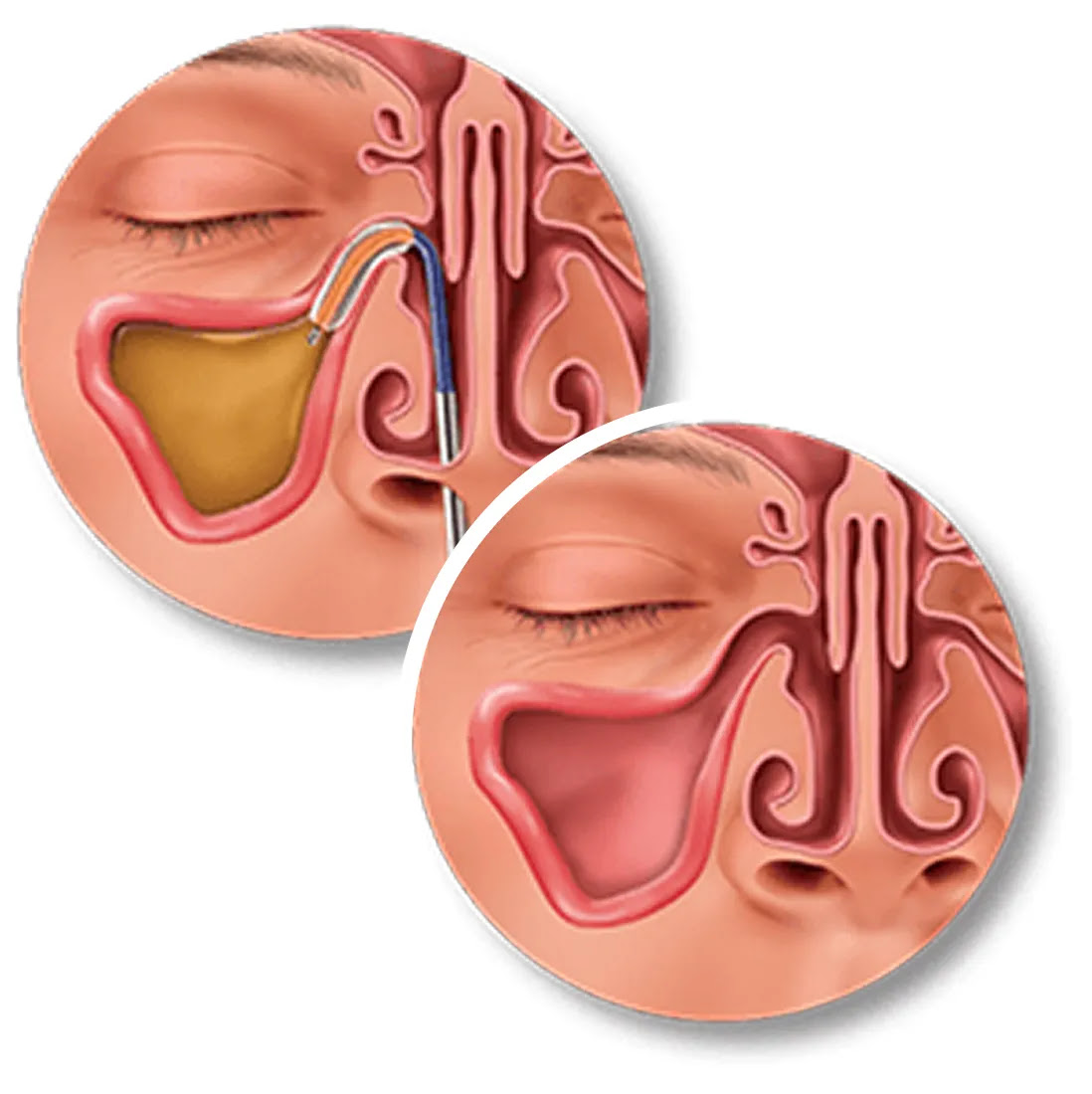
Balloon Sinuplasty (BSP) is an office-based procedure for patients seeking relief from chronic and recurrent acute sinusitis. This safe, minimally invasive technique does not require general anesthesia, and is effective for patients who are good candidates. Instead of using instruments to cut and remove tissue, balloon sinuplasty involves use of a small, flexible balloon catheter to open blocked sinus passageways and facilitate drainage of accumulating mucus. Recovery is quick and does not require time off from work, school or away from most physical activity.

How Balloon Sinuplasty Works
1
The doctor will numb the nasal passages with local anesthetic.
2
Access to the sinus drainage pathways is established.
3
A balloon catheter is inserted through the natural drainage pathway for each sinus involved and dilated.
4
The balloon catheter is removed, leaving a permanently widened pathway.

Balloon Sinuplasty In-Office
Balloon Sinuplasty is now available to eligible patients as a procedure performed in your doctor’s office, under local anesthesia. Your physician will recommend the best approach for you.
Local anesthesia
Fast recovery
Comfortable surroundings
High patient satisfaction
Potential for significant cost savings

CT Scanner

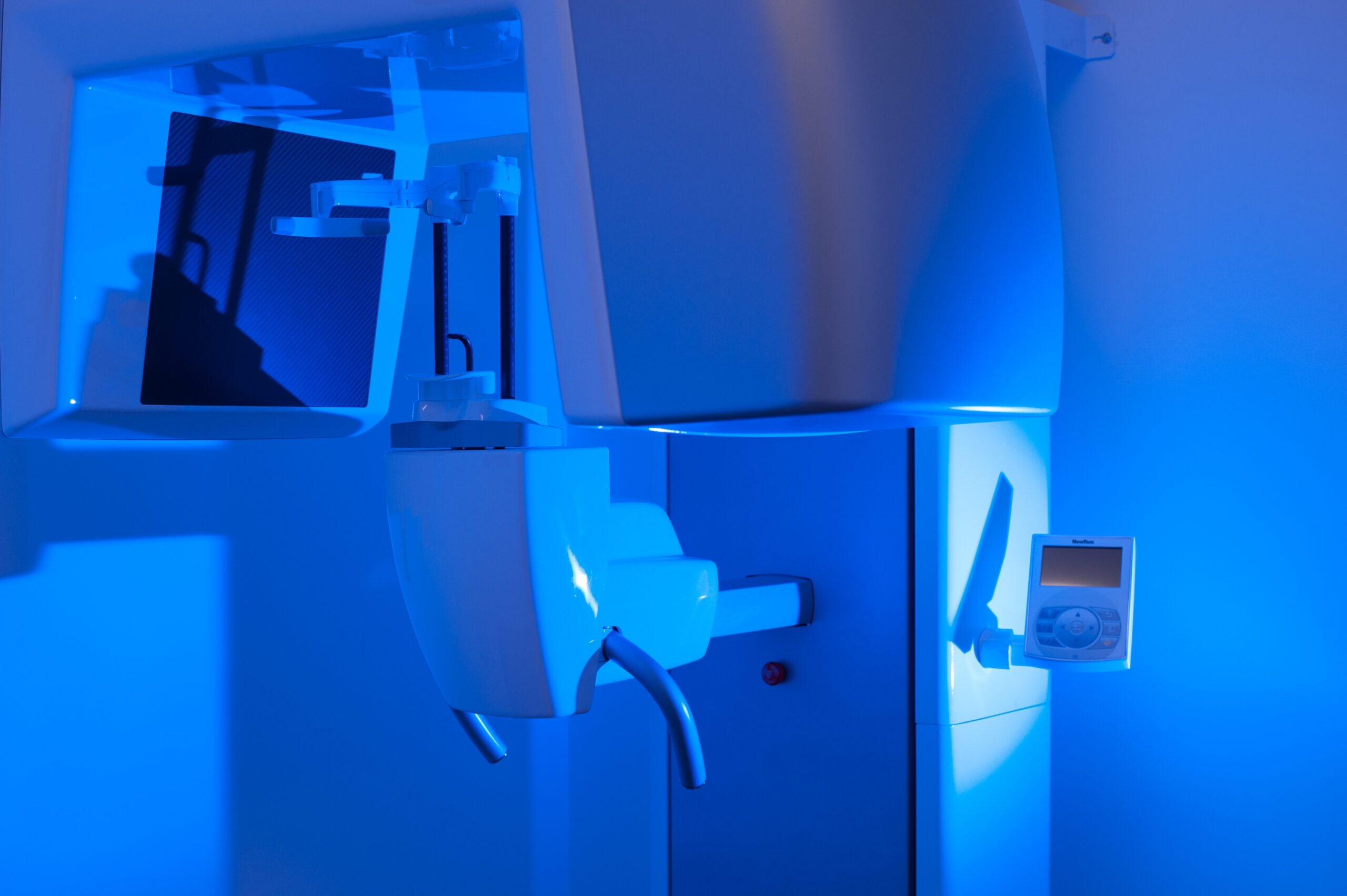
Our in-office cone beam CT scanner helps provide patients expedited access to CT scans of the sinonasal cavities without waiting for external appointments. These scans are an integral part of the work-up for sinonasal disorders, and help determine optimal treatment plans. Scans are covered by most private insurance plans, Medicare and Medicaid.

Post-Nasal Drip

Post-nasal drip is a very common symptom with a long list of potential causes. Common intrinsic nasal causes include allergies (allergic rhinitis), chronic sinus issues, vasomotor rhinitis and non-allergic chronic rhinitis. There are extrinsic causes as well such as acid reflux and hormonal changes associated with menopause, among others. Our team will help determine the most likely causes of post-nasal drip before implementing treatment plans. Treatment plans often include topical nasal sprays (nasal steroids or ipratropium bromide) or a radiofrequency ablation procedure called RhinAer(R) that can be performed in the office.

Environmental Allergies

Environmental allergies and the resulting condition allergic rhinitis can contribute to many symptoms that bring patients to our office such as chronic runny nose (rhinorrhea), nasal congestion and clogged ears (eustachian tube dysfunction). If appropriate, our team will obtain allergy screening via a blood-based to inform how contributory your allergies may be to such symptoms, and implement appropriate treatment. If needed, we may also refer patients to specialized allergists for immunotherapy (eg allergy shots).

Why Choose Us?

Experience and Expertise
Pathology Analysis
Customer Focused
Honesty and Integrity
Reasonable Treatment Prices